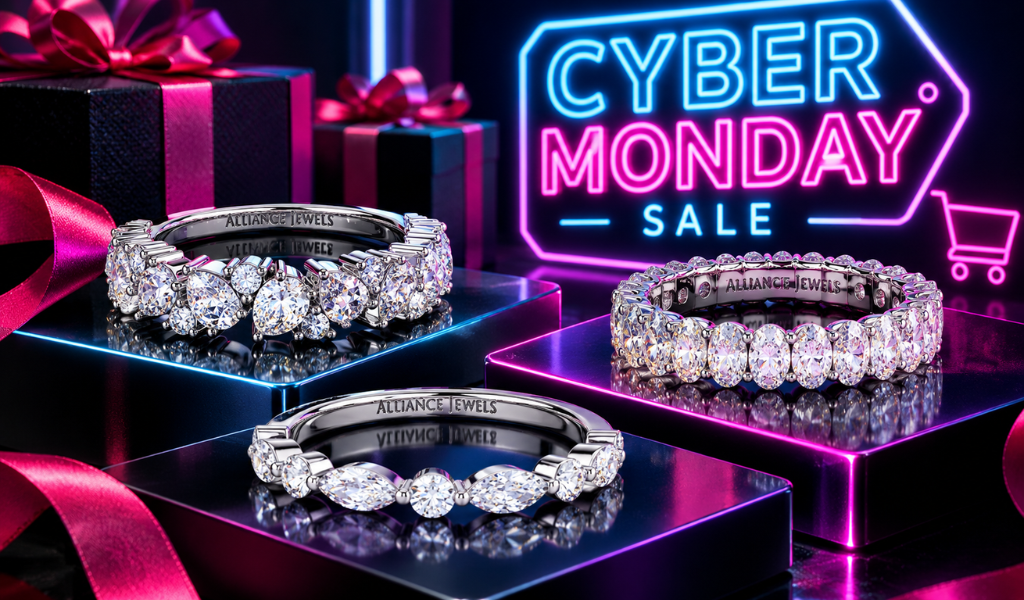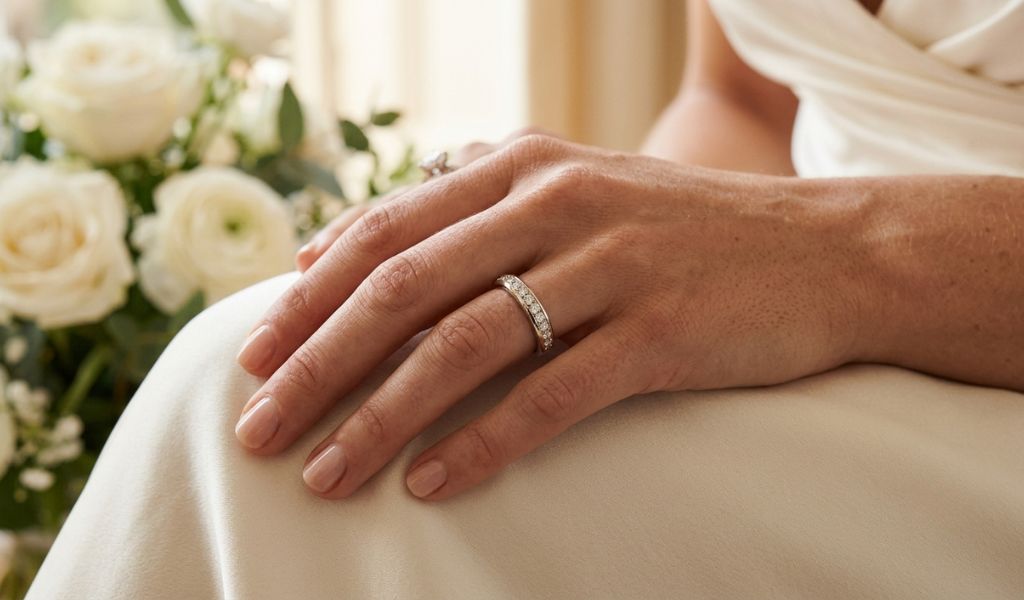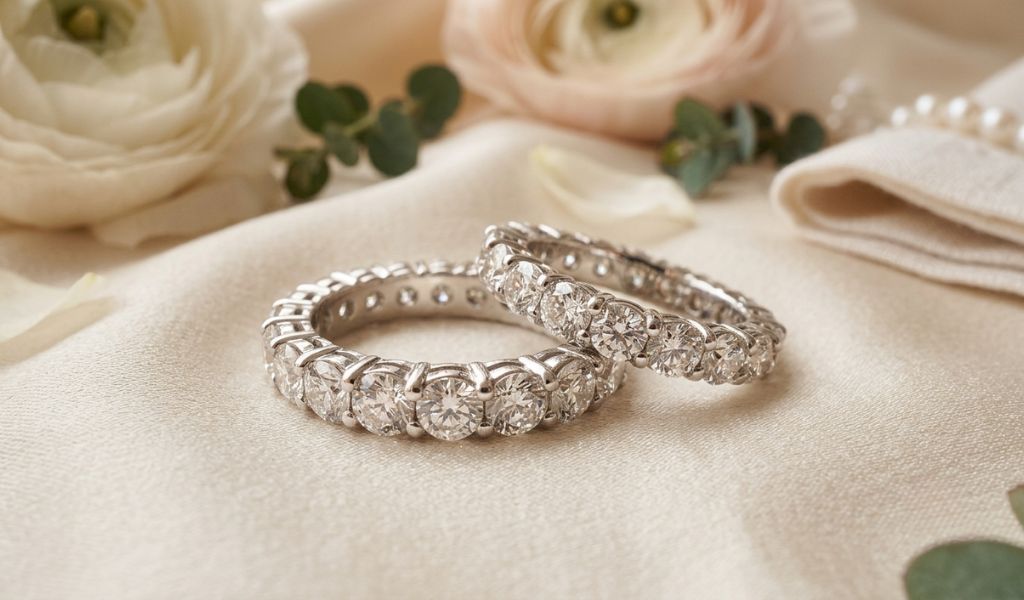


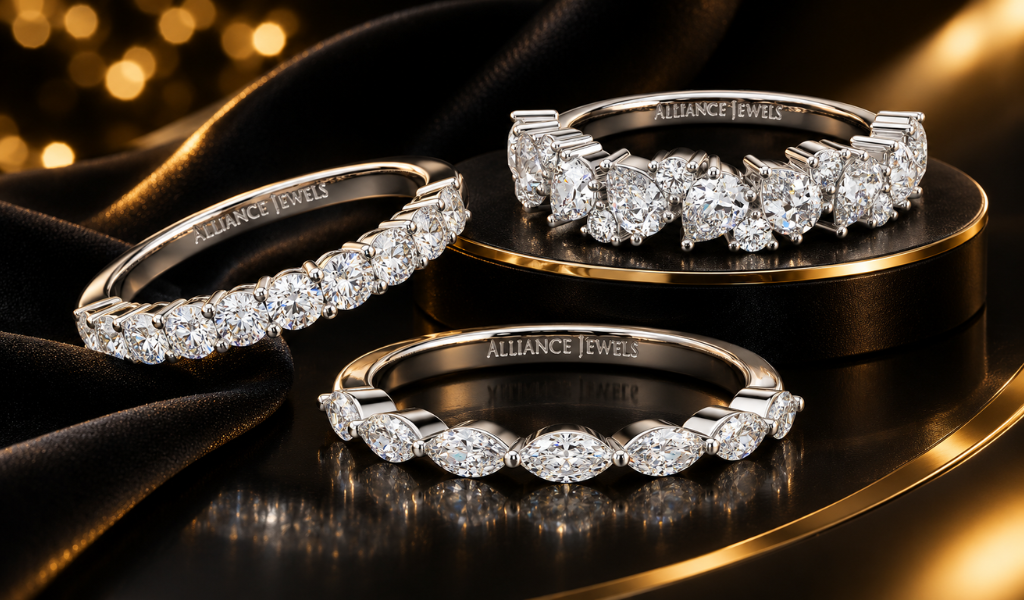
Lab diamond wedding bands Black Friday sale listings can look very similar, with a red "sale" tag beside a figure that seems low enough to settle the decision. Many retailers run promotions around late November, and lab-grown stones have made wedding bands more affordable than many buyers expect. A lower price, however, does not automatically mean a better purchase. The useful question is whether the band's specifications, certificate and return terms justify the price on the day you buy.
Quick Summary
- Compare the sale price with the retailer's usual price and with other sellers.
- Check the carat weight, colour and clarity grades.
- Ask for an independent grading certificate, such as IGI or GIA.
- Confirm the metal type, purity and band width.
- Read the return policy before buying during a sale.
Practical Information Table
|
|
|
|
|
|
|
|
|
|
|
|
|
|
|
|
|
|
|
|
|
|
|
|
What Makes a Sale Genuinely Worth Your Time?
A sale is only worth your time if the discount is measured against a fair baseline. Start by finding the band's usual price on the retailer's own site, then check how long that price was actually in place. A reduction from a price that was rarely charged is not much of a saving. Compare the same specification across two or three sellers before you decide, and note the differences in carat weight, metal and returns, not just the headline figure.
Sale periods also bring pressure. Limited-time banners and countdown timers are designed to speed up decisions, so give yourself a set time to review the details. A few quiet minutes with a written list will usually show you whether the offer is clearly good or simply well presented.

Understanding Lab Diamond Pricing
Price in the lab-grown market depends on several factors working together. The total carat weight is the most obvious, but the number of stones, the grades of each stone, and the metal all affect the final figure. A lab-grown diamond wedding band with a small number of stones in solid gold will usually cost less than one with a continuous row of stones in platinum, even when both are described as eternity bands.
This is why a lab diamond wedding band price should be read alongside its specification. Two bands with similar prices may differ significantly in what they contain. Write down the carat weight, metal, and stone count for each option, then compare the prices using those same details. Without that step, a quoted figure tells you very little.
Understanding Lab Diamond Quality and Certification
The certificate is the most useful document you can have when comparing bands. Reports from independent laboratories such as the International Gemological Institute (IGI) and the Gemological Institute of America (GIA) describe the stone's weight, colour and clarity. For lab-grown stones, a report should make clear that the diamond was grown in a laboratory, so check that the wording on the certificate matches the seller's description.
An IGI-certified lab diamond band gives you a reference point that does not depend on the retailer's own assessment. Check that the certificate number matches the product, confirm the grades listed, and make sure the stone details agree with the listing. If a seller offers only an in-house grade or cannot provide a report, treat that as a reason to look elsewhere. The grades on any certificate are the best way to judge the lab diamond quality grade of the band you are considering, and they should be compared directly with the grades on other bands in your shortlist.
Metal, Width and Comfort Checks Before You Buy
Metal and width are often overlooked during a sale, yet they affect both price and daily wear. Check the metal purity in the listing and confirm that it is stamped on the band, since a stated purity is more reliable than a general description. Gold is commonly sold in 9ct, 14ct, and 18ct, and higher purity means more gold and a softer metal. Platinum is denser and more costly to produce, so its price difference should be clear in the listing.
Band width changes how a ring feels as well as how it looks. A wider band can carry more visual weight, while a narrow one may feel delicate on a daily basis. Ask the retailer for the exact width in millimetres and compare it with the width of the bands you are looking at. Measurements are more useful than descriptions such as "slim" or "classic."
Also read: How To Choose The Perfect White Gold Wedding Ring Style?
A Buying Checklist for Sale Season
Before you pay, work through a short list. Compare the sale price with the usual price and with at least one other seller offering the same specification, such as Alliance Jewels. Confirm the carat weight, colour and clarity grades against the certificate, not just the product page. Check the metal and purity, and make sure the width matches what you want. Then read the return and exchange policy in full, including any conditions that apply to sale items.
It helps to take this list to each retailer. Carat weights, grades, and return terms are easy to compare when they are written down side by side. If one seller cannot answer a question clearly, note it and move on. Sale season is busy, and a band that is hard to verify is rarely worth the saving.
Conclusion
Making a confident decision on a lab diamond wedding band Black Friday sale depends on checking the details, not just the discount. Look at the sale price against the usual price, confirm the grades and certificate, and check the metal, width, and return terms before you pay. Use the checklist above to compare a few options side by side, and you will be in a much better position to choose a band you are happy with long after the sale ends.
FAQs about Lab Diamond Wedding Bands
Are lab diamond wedding bands a good value compared with natural diamond bands?
They can be, because lab-grown stones are usually less expensive than natural stones of similar size and quality. Value depends on the specifications, the certificate, and the terms of the sale, so compare like with like before deciding.
How can I tell whether a lab-grown diamond is certified?
Look for a report; it should state that the diamond was grown in a laboratory, and the details should match the listing.
Are lab-grown diamonds the same as natural diamonds?
They are both diamonds and share the same chemical and crystal structure. The main difference is how they form, with lab-grown stones created in a laboratory rather than in the ground.
How much should I expect to pay for a lab diamond wedding band?
Prices vary widely with carat weight, the number of stones, the metal, and the certificate. Compare bands with the same specifications across several sellers rather than relying on a general price range.
What should I check before buying a wedding band online?
Check the certificate, the carat weight and grades, the metal purity and band width, and the return and exchange policy.