

Lab-grown cushion-cut diamond rings are often included in Cyber Monday promotions, making this a useful time to compare designs, diamond specifications, and prices. However, a discounted price alone does not establish value. The diamond's cut, carat weight, colour, clarity, setting quality, and original retail price all require consideration. Understanding these factors helps buyers assess lab-grown cushion-cut diamond ring Cyber Monday deals and make informed purchasing decisions.
Quick Summary
- A lab-grown stone has the same chemical composition and crystal structure as a mined diamond, so your comparison should rest on price, origin preferences, and resale expectations.
- Cushion cut proportions affect how much a stone sparkles, so judge the cut before the carat weight.
- Settings and metals change both the look and the cost, so decide them before comparing prices.
- A Cyber Monday discount only means something if the original price was real and the stone is certified.
- Check return terms and certificates before the sale ends, not after.
What Makes Lab-Grown Cushion Cut Diamonds Stand Out?
A lab-grown diamond is created in a controlled environment rather than formed over geological time. Most are grown using one of two methods: either high-pressure, high-temperature or chemical vapour deposition. Both produce carbon crystals with the same structure as mined diamonds, which is why they share the same optical behaviour.
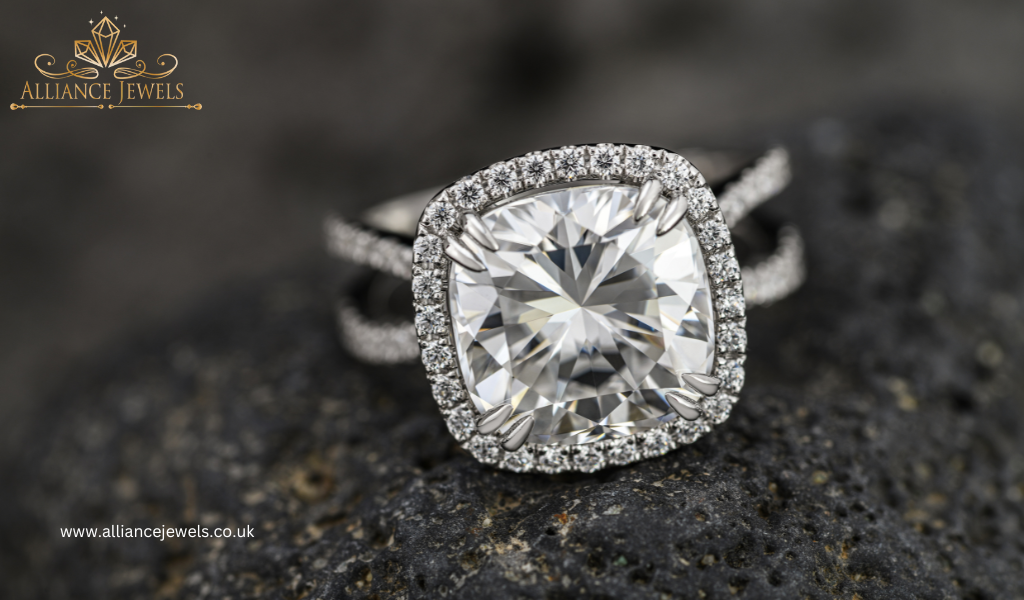
The cushion cut has a softer silhouette than a round or square stone. Its corners are rounded, and its outline sits somewhere between a square and a rectangle. Like many modern brilliant cuts, it relies on a pattern of facets to return light to the eye. The angles and depth of those facets determine how much light escapes and how much stays inside the stone to produce sparkle. A well-cut cushion looks lively under daylight and artificial light alike, while a poorly proportioned one can appear dull or unevenly lit.
Cushion Cut Ring Designs and How They Look
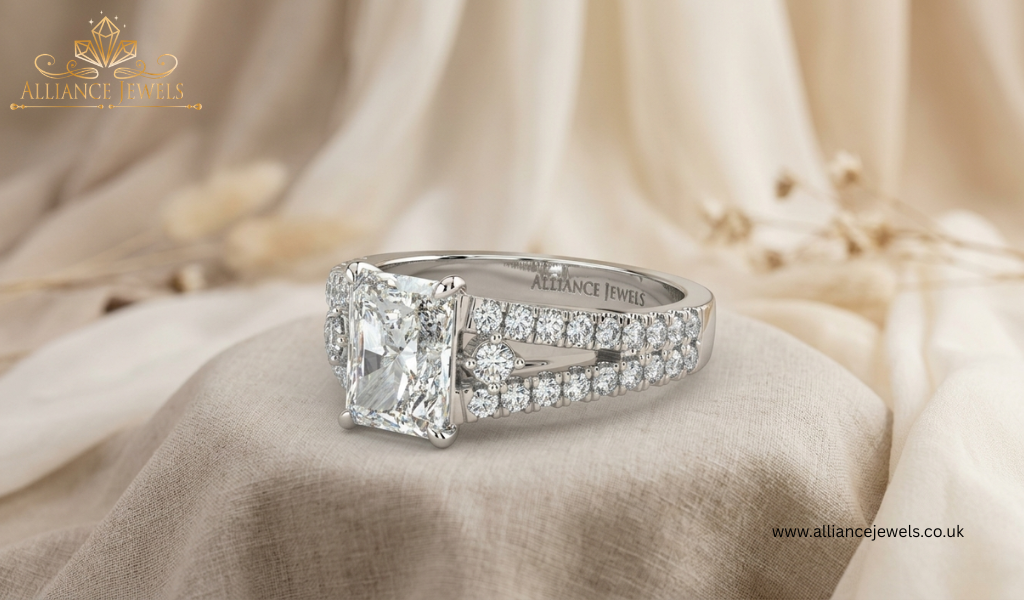
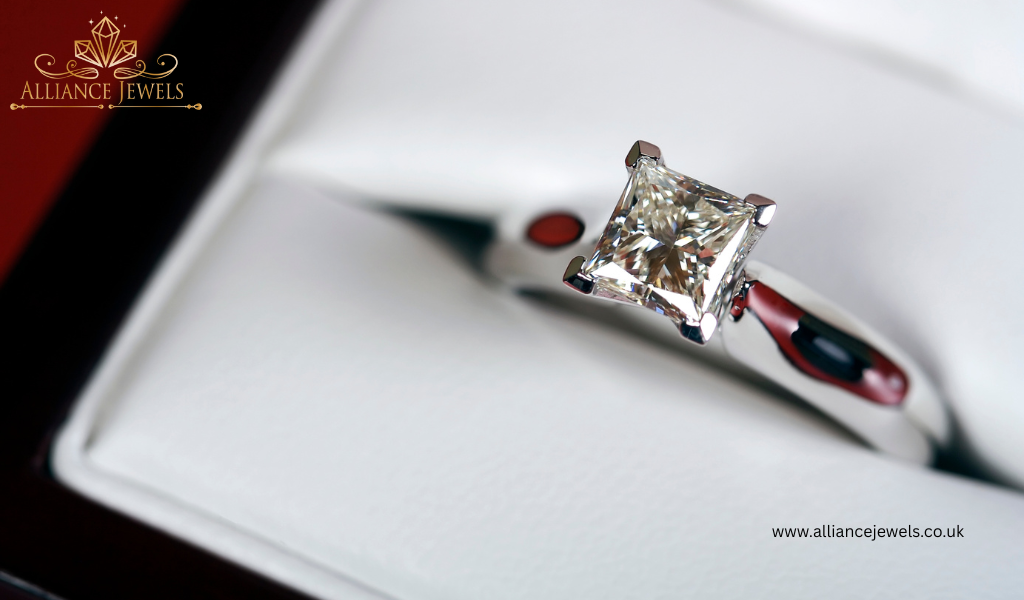
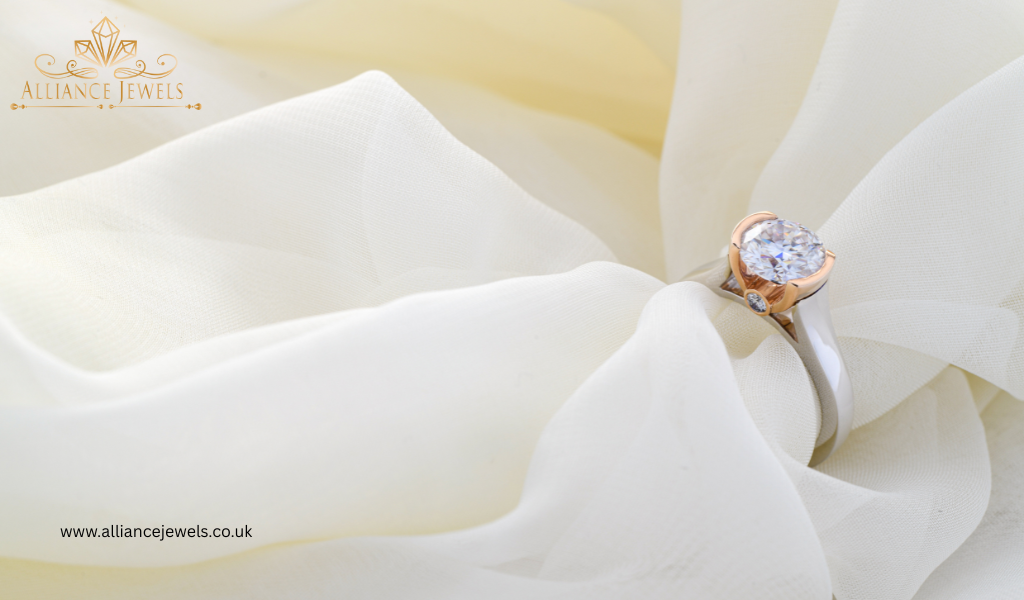
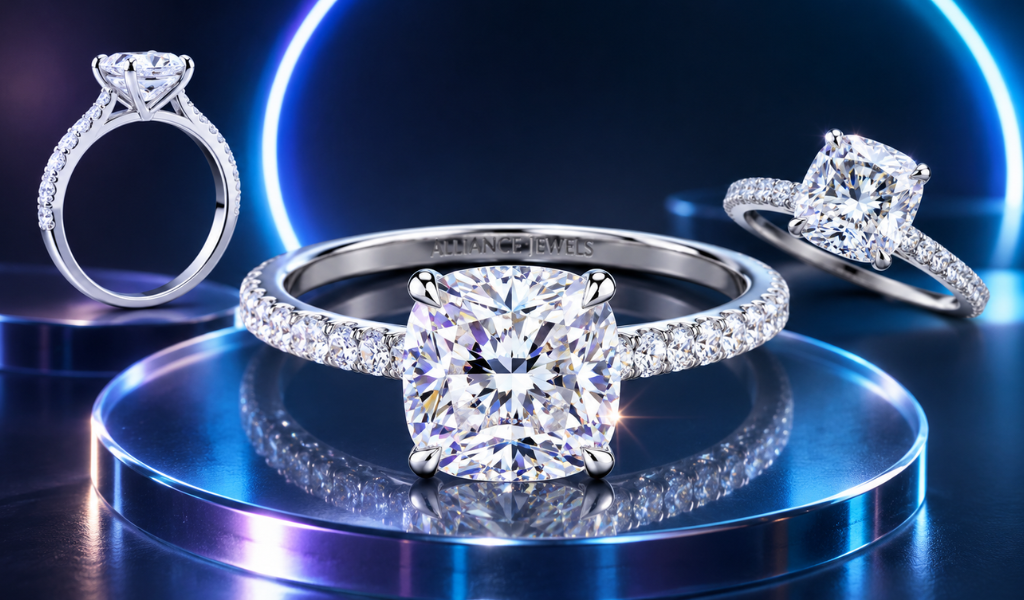
Design changes the way a stone is perceived as much as the stone itself. At Alliance Jewels, cushion-cut diamond rings can be considered in different styles, from classic solitaires to halo designs and vintage-inspired settings. A solitaire places the diamond alone on the band, keeping attention on the cut and shape. Its appearance depends largely on the stone's proportions and how it is set.
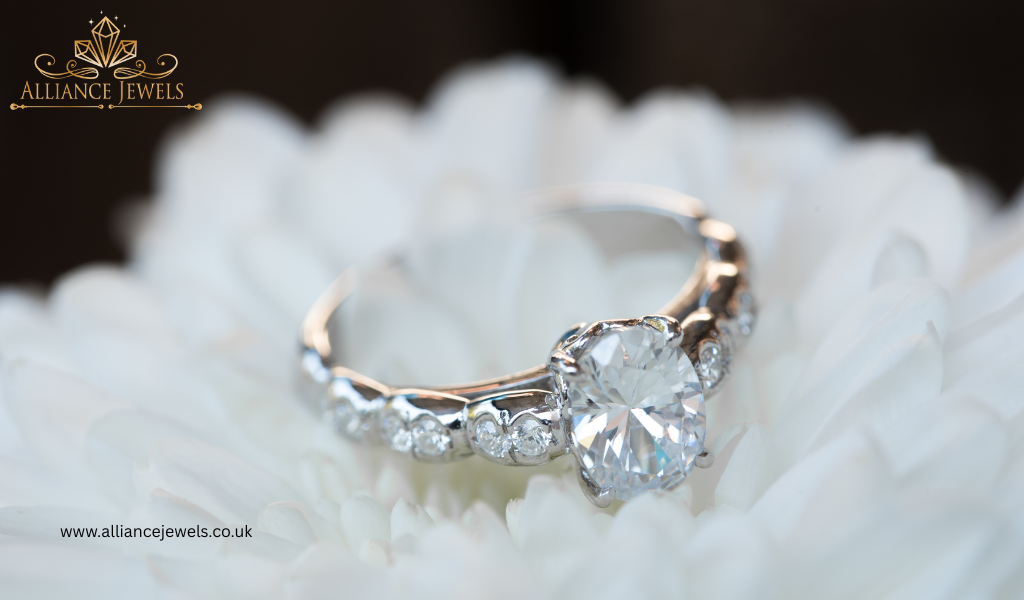
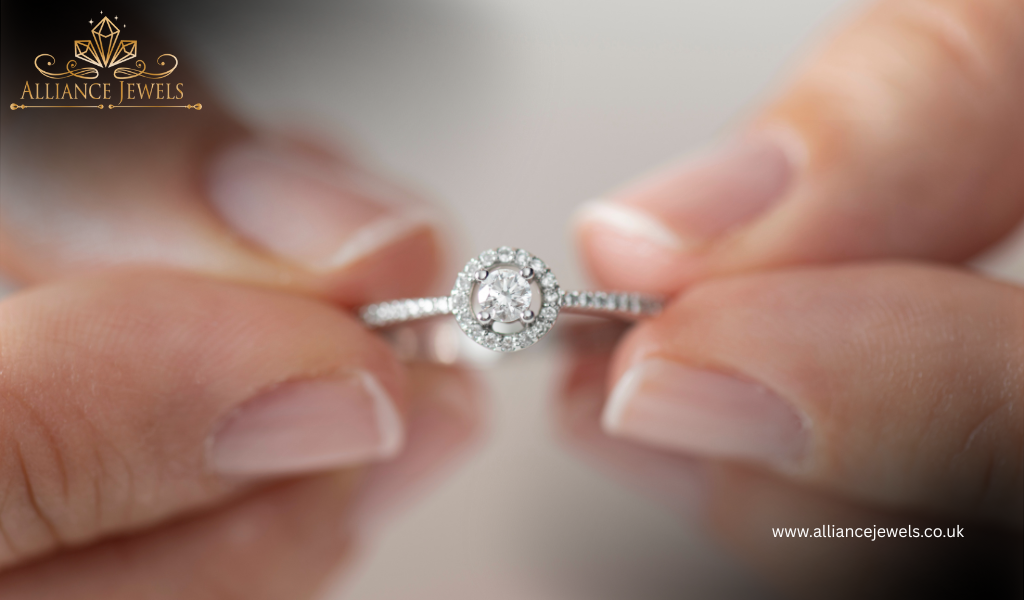
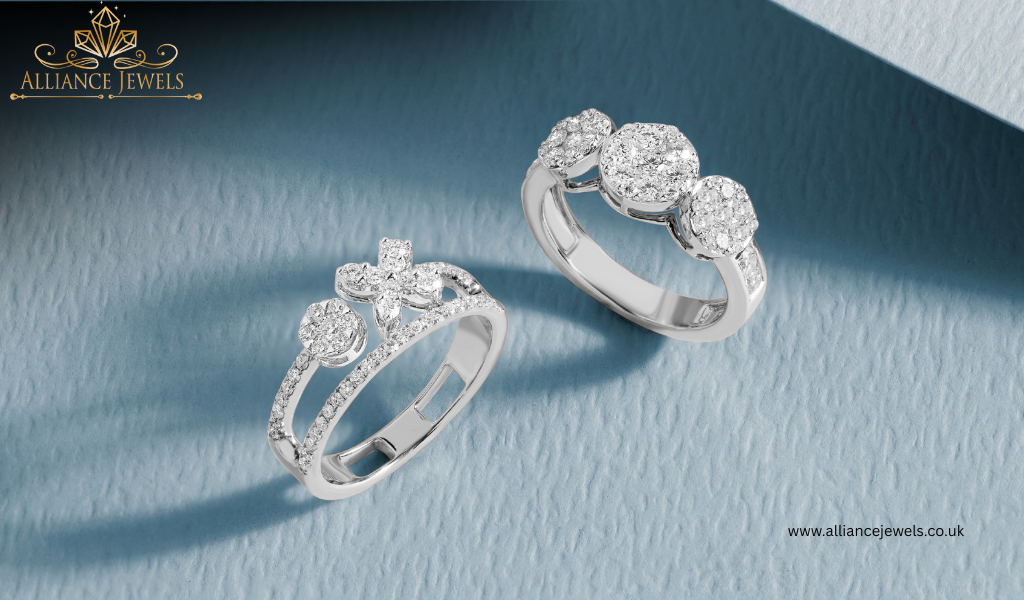
A halo surrounds the centre stone with a ring of smaller stones. This arrangement makes the centre diamond appear larger, and it often adds brilliance that complements the cushion's rounded outline. The trade-off is a wider head that can sit higher on the finger and may catch on fabrics.
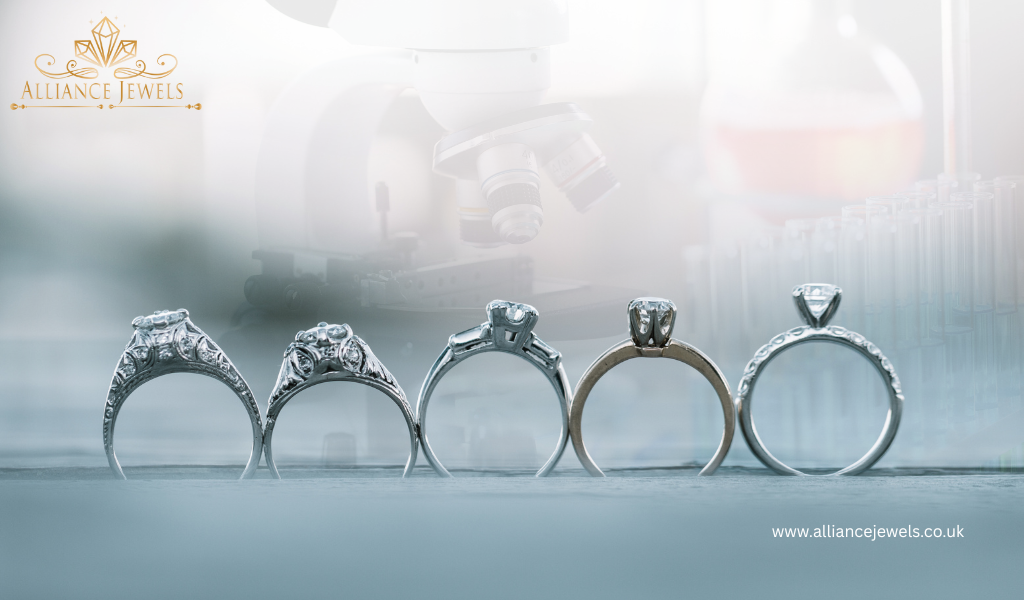
Vintage-style rings tend to feature decorative metalwork, engraved shoulders, or side stones in a tapered arrangement. Before you choose a style, consider how the ring will be worn day to day, since comfort and practicality matter as much as appearance.
Lab-Grown Versus Natural: Weighing the Differences
When you weigh lab-grown vs. natural diamond options, the decision rests on personal priorities rather than on a simple ranking. Origin is the most obvious difference. Lab-grown stones are made in a laboratory, while natural stones are mined. Price is the difference most shoppers notice first. Lab-grown stones are generally offered at a lower price than comparable natural stones, which can allow a buyer to choose a larger or better-cut diamond for the same budget. That said, the lab-grown diamond price you see can vary considerably between retailers, so comparing specifications matters more than comparing headline figures.
Resale is harder to predict. Many buyers of natural diamonds value tradition, heirloom potential, and the perception that a mined stone holds its worth. Lab-grown resale markets are still developing, and values can change.

Choosing a Cushion Cut Diamond Setting That Suits the Stone
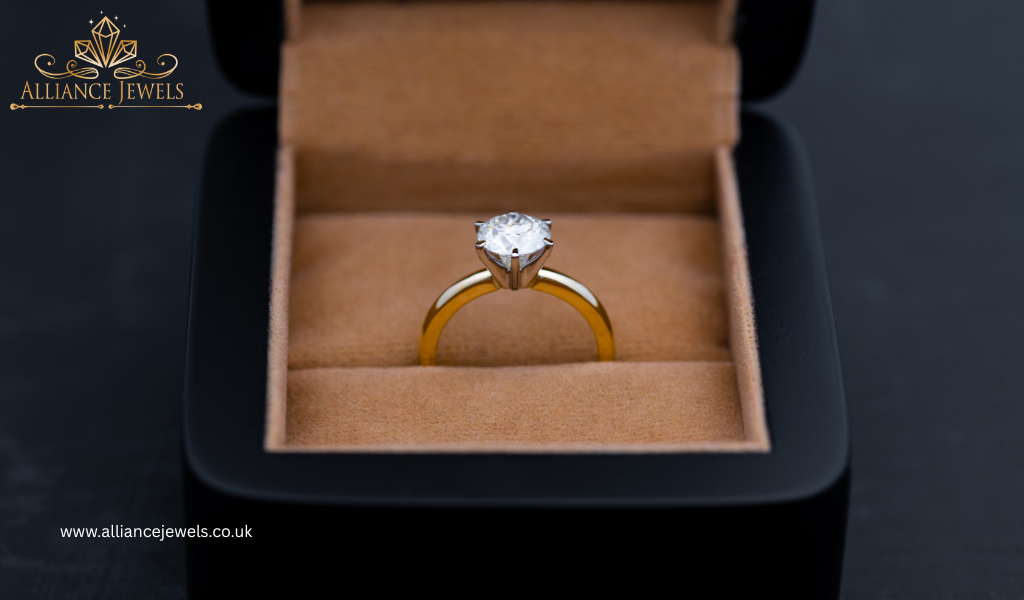
The cushion's rounded corners are where a setting matters most. Corners can be vulnerable to knocks, and the setting decides how well they are protected. A prong setting holds the stone with small metal claws, which lets maximum light reach the diamond. Four-prong and six-prong versions are common for cushions, and more prongs generally offer greater coverage of the corners. When you select a cushion-cut diamond setting, consider how the ring will be worn as well as how it will look. A setting that protects the corners suits daily wear, while an open prong design may suit a ring that is worn less often.
Metal choice shapes both appearance and cost. Platinum is naturally white and dense, so it keeps a consistent colour over time and suits a cushion that might be worn daily. An 18ct gold setting offers a richer colour and a higher proportion of gold, while 14ct is more hard-wearing and usually less costly. Choose the metal that complements your skin tone and fits your budget.
Judging a Cyber Monday Discount Before You Buy
A Cyber Monday discount deserves the same scrutiny as any other price. Start with the base price. A label that claims a large saving means little without the price the stone was previously listed at, and that figure should be easy to confirm. Look at the stone's price history if the retailer provides it, and check whether the same stone, identified by its certificate number, appears at a similar price elsewhere. Comparing the same stone across at least two retailers is the most reliable way to judge whether a sale price is competitive.
Next, read the certificate and the return terms. A report from a recognised grading laboratory should describe the stone's measurements, proportions, colour, and clarity, and should confirm that the stone is lab-grown. Ask for any resizing or setting costs in writing, since these can change the final price considerably.
Conclusion
Four checks decide whether a lab-grown cushion-cut diamond ring Cyber Monday deal is worth taking: the stone, the setting, the metal, and the discount. Look closely at the cut and the certificate, choose a setting that protects the corners, weigh the metal against your budget, and confirm the original price and return terms. Before you decide, consider comparing two or three certified stones side by side, and ask the retailer for the certificate and return policy in writing. A calm comparison will serve you better than a rushed purchase.
FAQs on Lab Diamond Cushion Cut Ring
Is a lab-grown cushion-cut diamond ring worth buying during a sale?
It can be, if the stone is certified, the original price is clear, and the return terms are acceptable. Compare the same stone across two retailers before deciding.
What is the difference between a lab-grown and a natural cushion-cut diamond?
Both share the same chemical and optical properties. The main differences are origin, typically lower price for lab-grown stones, and resale expectations, which can vary.
Which setting works best for a cushion cut diamond ring?
Prong settings show the most light, while bezel settings offer stronger protection for the corners. Your choice depends on how the ring will be worn and what look you prefer.
How can I tell if a Cyber Monday jewellery discount is genuine?
Ask for the original price, check the stone's price history, and compare the same certificate number at other retailers. Be cautious of large percentages without a clear base price.
Should I check the certificate before buying a lab-grown diamond ring?
Yes. The certificate confirms the stone's measurements, proportions, colour, and clarity, and shows that it is lab-grown. Check that it comes from a recognised grading laboratory before you pay.