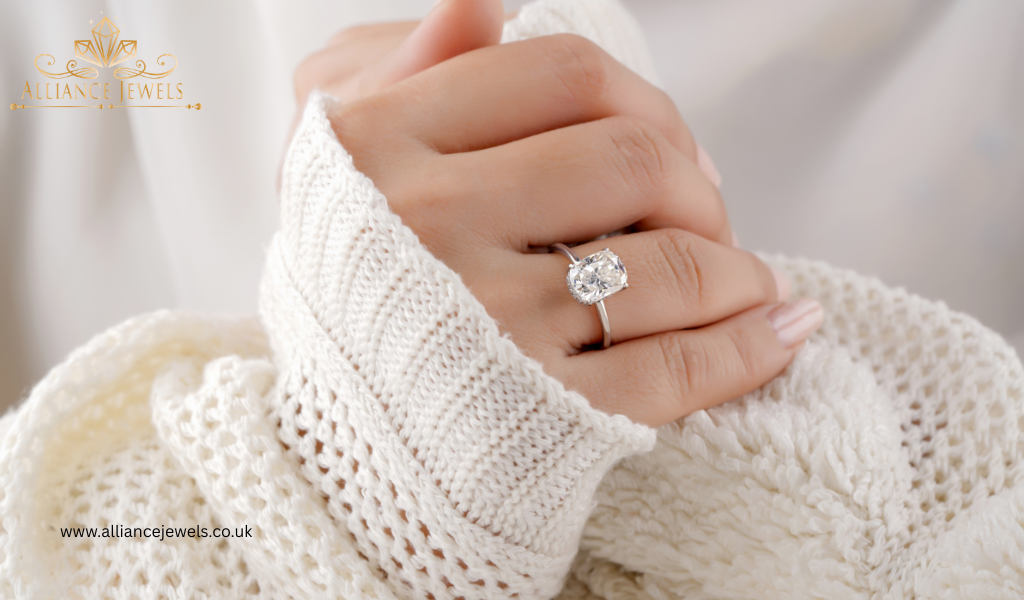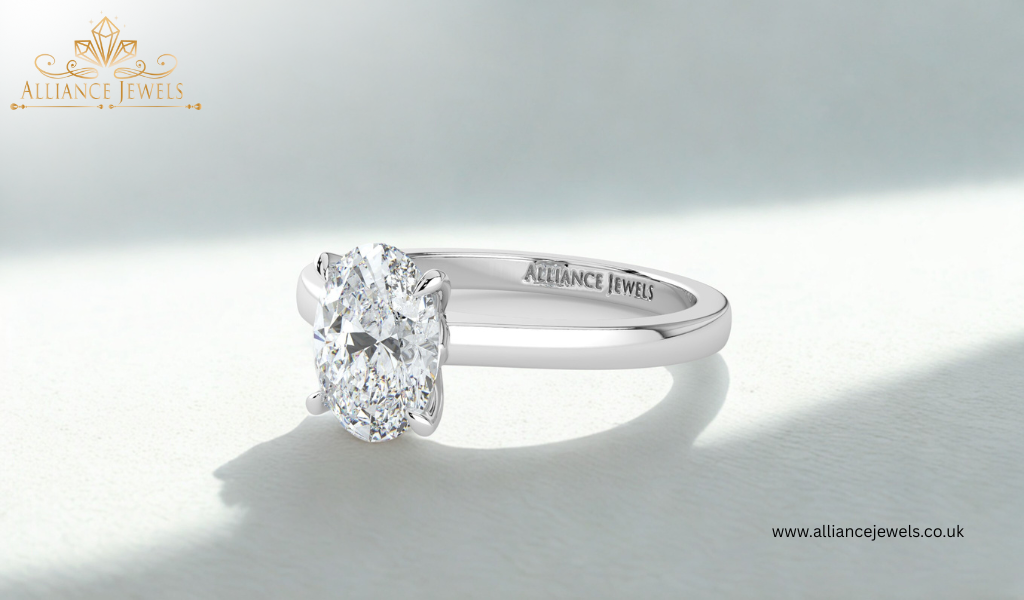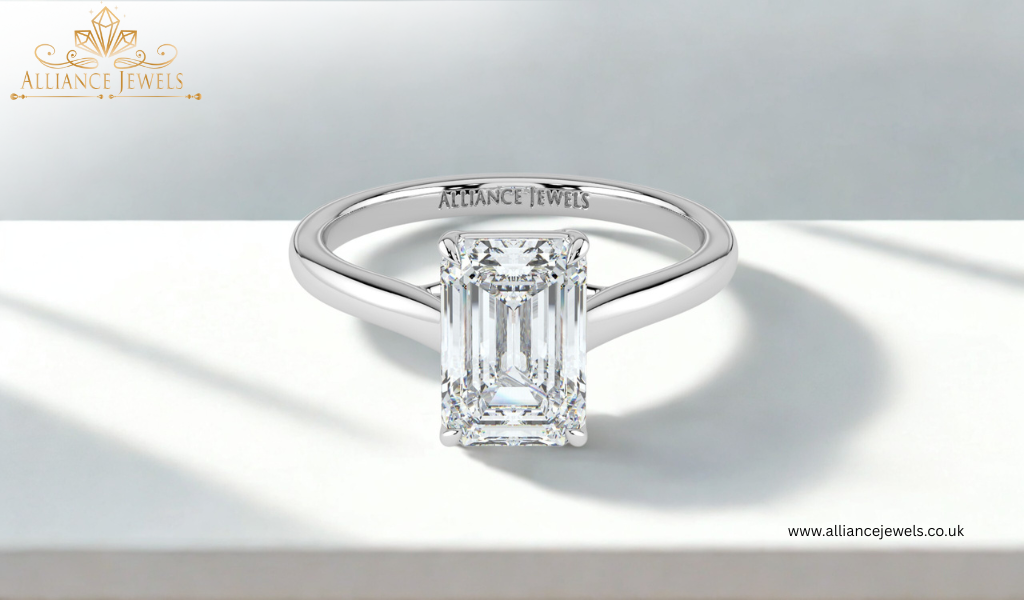




There’s something wonderfully uncomplicated about a solitaire ring. One diamond, one setting, and nothing much competing for attention. That simplicity is part of why lab-grown diamond solitaire rings continue to appeal to couples looking for something classic but still personal.
Of course, the diamond isn’t the whole story. The setting changes how it looks, how much light reaches it, how secure it feels on your finger and, perhaps most importantly, how the ring feels when you actually wear it. A setting that looks beautiful in a photograph might not be the one you enjoy wearing every day.
So, which styles are worth knowing about?
Quick Summary
- Solitaire rings keep the focus on a single centre diamond.
- Four-prong settings offer a classic look with plenty of diamond visibility.
- Princess-cut diamonds bring a sharper, more contemporary feel to solitaire designs.
- The right setting depends on your lifestyle, diamond shape, preferred style and comfort.
- Look beyond appearance and consider security, maintenance and how the ring will pair with a wedding band.
Popular Solitaire Ring Settings to Consider
Before getting caught up in tiny details, start with the setting itself. There are several solitaire ring settings, and each gives a diamond a slightly different personality.
A traditional prong setting holds the diamond with small metal claws, leaving much of the stone exposed. This can help maximise its presence and allow light to enter from different angles.
Then there are bezel settings, where a thin rim of metal surrounds the diamond. They have a smoother, more contemporary appearance and offer useful protection around the stone.
Basket and cathedral settings are other possibilities. A basket supports the diamond with a structured framework underneath, while a cathedral setting raises the centre stone and uses sweeping shoulders of metal to support it.
What should you look for?
Think about three things: security, appearance and everyday practicality.
If you’re active with your hands or simply don’t want to worry about catching the ring on clothing, a more protective setting may appeal. If your priority is maximum sparkle and an open appearance, prongs are hard to beat.
Four-Prong Solitaire Ring: A Timeless Choice
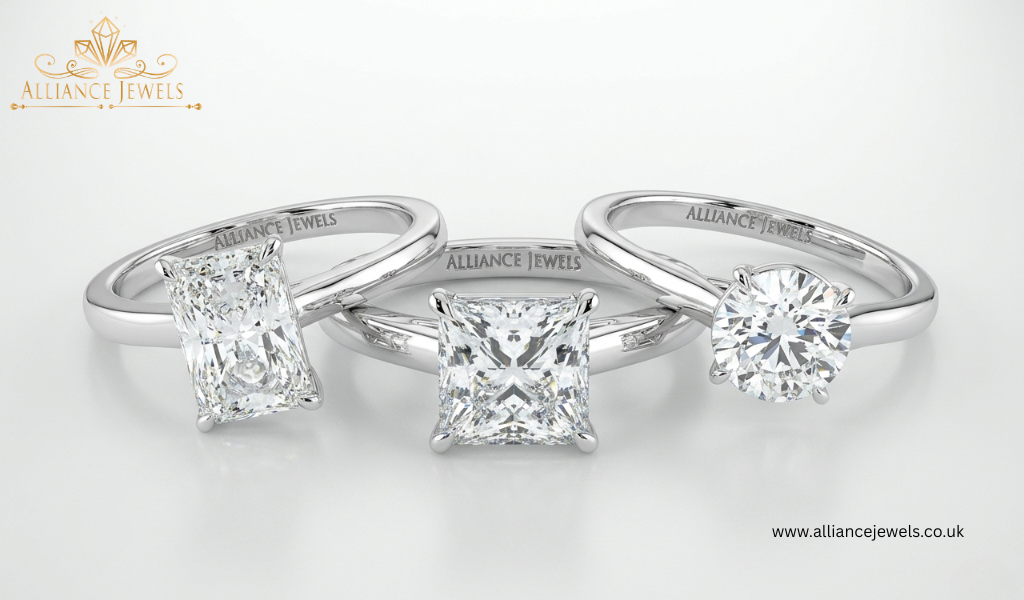
The four-prong solitaire ring is popular for a reason. Four slim claws hold the centre diamond securely while leaving relatively little metal between your eye and the stone. It’s clean. Familiar. And it works beautifully with a range of diamond shapes.
Another advantage is its versatility. A four-prong setting can suit a traditional round diamond, a sleek princess cut, or other popular shapes without making the ring feel overly elaborate.
There is a practical consideration, though. Because fewer prongs are holding the stone, regular checks are sensible. If one becomes loose or damaged, the setting should be inspected promptly. And if you’re choosing a ring to wear every day, ask how the prongs are finished. Smooth, well-shaped claws are much less likely to snag on jumpers or delicate fabrics.

Princess Cut Solitaire Ring for a Modern Look
Prefer something with sharper lines? A princess cut solitaire ring could be the answer.
The square or rectangular outline gives a solitaire a more structured appearance than the softer curves of a round brilliant. It’s contemporary without being overly trendy, which is probably why the shape has stayed popular for so long.
Princess-cut diamonds also work particularly well with simple settings. There’s already plenty happening in the geometry of the stone, so a clean band and understated prongs can be enough.
One thing to remember: princess-cut diamonds have pointed corners. The setting should protect those corners properly, particularly if the ring will be worn every day.
If you’re comparing lab diamond solitaire rings, don’t choose the setting separately from the diamond. Look at how the shape, proportions, and setting work together. Sometimes the combination that looks “right” on paper feels completely different once it’s on your hand.
Choosing the Right Solitaire Engagement Ring Setting
Here’s where personal preference matters more than trends.
When comparing solitaire engagement ring settings, consider how you actually live. Do you work with your hands? Wear gloves regularly? Prefer a low-profile ring? Or perhaps you want the centre diamond to sit high so a wedding band can nestle closely underneath?
Think about the wedding band, too. A raised setting may allow a straight band to sit neatly beside it, while some lower settings may work better with a curved or shaped band.
Also read:- Where to Buy Affordable Lab Grown Solitaire Rings in the UK?
Practical Information Table
|
|
|
|
|
|
|
|
|
|
|
|
|
|
|
|
|
|
|
|
|
|
|
|
|
|
|
|
|
|
And there’s no need to rush this part. Try different settings alongside the diamond shape you love, check the height from the side, and see how each feels when you move your hand.
If you’re exploring lab-grown diamond solitaire rings, browsing different solitaire designs can make the choice much easier. Once you see how the setting changes the character of the same basic ring style, your preference often becomes surprisingly clear.
Conclusion
The best solitaire setting isn’t necessarily the most elaborate one. For many couples, the appeal lies in keeping things simple and letting the diamond do the talking.
A four-prong design offers timeless versatility, a six-prong setting brings extra support, while bezel and basket styles provide different takes on everyday practicality. And if you love clean, architectural lines, a princess cut can give lab grown diamond solitaire rings a distinctly modern edge.
Take your time, compare the settings in person if possible, and think about how the ring will fit into ordinary life, not just the proposal day. That’s when you’ll know you’ve found the right one.
FAQs about Solitaire Ring Settings
What is the most popular setting for a solitaire ring?
Prong settings are among the most popular choices for solitaire rings, with four- and six-prong designs being especially common.
Is a four-prong solitaire ring secure?
Yes, a properly made four-prong setting can hold a diamond securely. Regular checks are still recommended to make sure the prongs remain in good condition.
Is a princess cut good for a solitaire ring?
Yes. A princess cut works particularly well in a simple solitaire setting because its clean, geometric shape creates visual interest without needing additional stones.
Which solitaire ring setting is best for everyday wear?
It depends on your lifestyle. Prong settings offer an open, classic look, while bezel settings provide more protection around the diamond and can suit people who prefer a practical, smooth design.
How do I choose the right solitaire engagement ring setting?
Consider your diamond shape, daily routine, preferred appearance, comfort, and future wedding band. Trying different solitaire engagement ring settings on your hand is often the easiest way to decide.